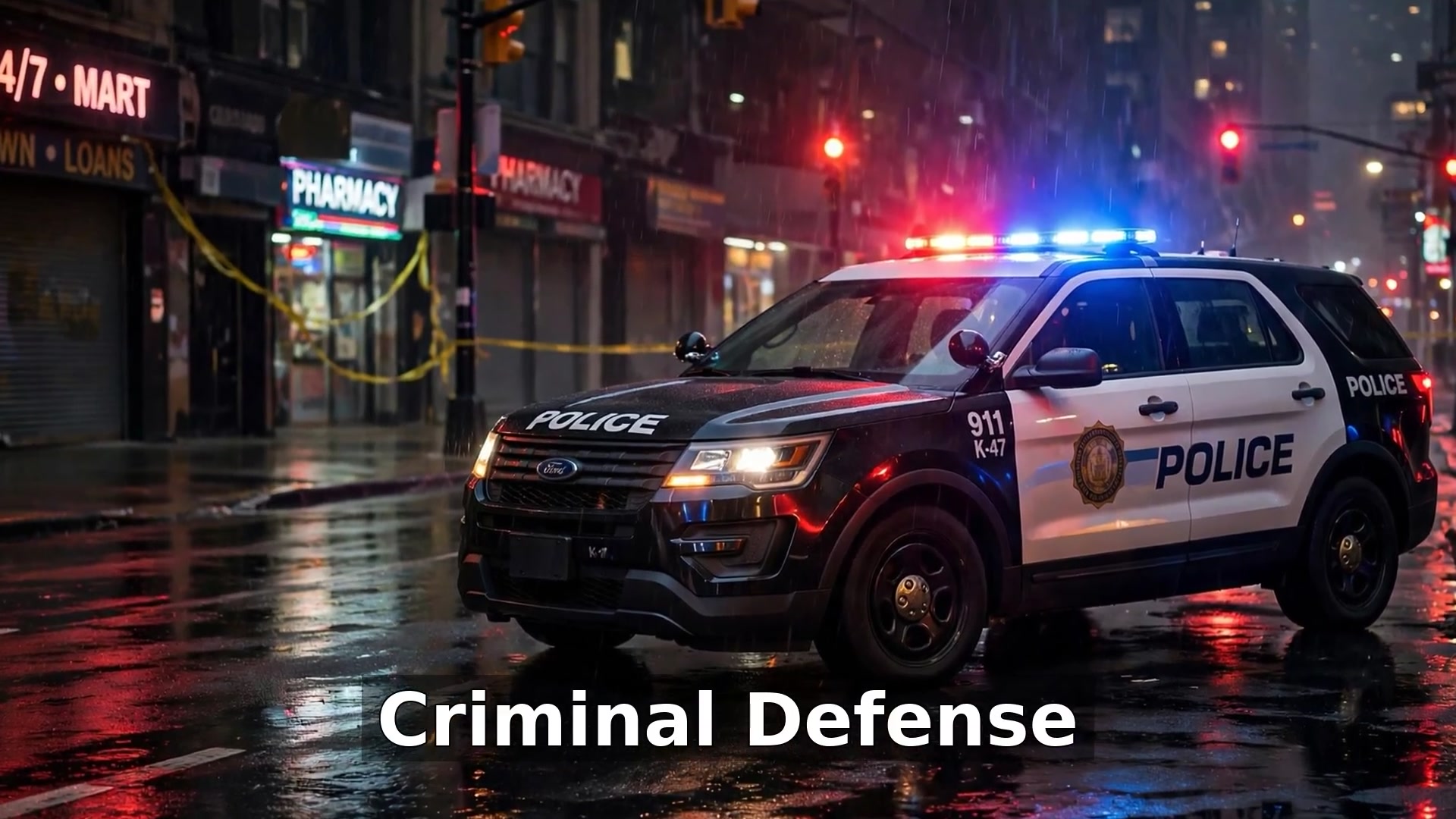
Theft and Shoplifting — Legal Explainer Video
Theft is the unlawful taking of someone else's property with the intention of keeping it from them, and shoplifting is that same offense committed in a retail setting. Together they form one of the most frequently charged categories in criminal courts, spanning an enormous range: a teenager concealing cosmetics, an employee diverting register cash over a year, and a coordinated crew clearing shelves for resale can all sit under theft statutes, separated mainly by value, method, and organization. The law sorts those cases through a few recurring concepts.
The Elements of Theft
Modern theft statutes usually consolidate older offenses, larceny, embezzlement, false pretenses, and receiving stolen property, into a single framework. The prosecution generally must show an unauthorized taking or exercise of control over property of another, and a mental state usually described as intent to deprive. Deprive is broader than permanent theft in many codes: withholding property long enough to appropriate a major portion of its value, or disposing of it so recovery is unlikely, can qualify. Mistake and claim of right appear at the edges; taking the wrong umbrella from a stand lacks the required intent, and a genuine belief that property is one's own can defeat the mental element, while a mistaken belief about being owed a debt usually cannot justify seizing unrelated property.
Value drives grading. States set thresholds, differing widely, below which theft is a misdemeanor and above which it becomes a felony, with higher tiers as value climbs. The combined value of items taken in a single scheme or course of conduct can often be aggregated, which is how repeated small takings by an employee or a ring member add up to a felony figure. Certain property is graded upward regardless of value in many codes, including firearms, vehicles, and property taken directly from a person.
Shoplifting Specifically
Shoplifting statutes and store practice revolve around concealment and the point of sale. Concealing merchandise on the person, in a bag, or in a booster container, swapping or altering price tags, transferring goods between containers, and under-ringing at a register are commonly listed acts, and many statutes allow intent to be inferred from concealment itself, so a case does not always require proof that someone left the store. Loss-prevention personnel operate under a shopkeeper's privilege, recognized in most states, which permits detention in a reasonable manner and for a reasonable time on reasonable grounds, a doctrine that shapes both store conduct and later civil claims about stops.
Parallel to the criminal case, many states authorize a civil recovery or civil demand: the retailer may claim a statutory penalty and the value of unrecovered merchandise through a demand letter, independent of whether criminal charges proceed. The two tracks are legally separate, and payment or nonpayment on the civil side does not by itself decide the criminal side. First offenses are frequently routed into diversion or deferred programs in local courts, particularly for low values, with conditions such as classes and community service, while repeat conduct removes that option in many places and raises the grade.
Organized Retail Theft and Related Offenses
Legislatures in recent years have added organized retail theft offenses aimed at coordinated groups, fencing operations that buy and resell stolen goods, and thefts committed across multiple stores or counties as one enterprise. These statutes typically require agreement or coordination with another person and reach felony grading at lower aggregate values than ordinary theft. Related but distinct offenses fill out the picture: burglary charges when someone enters a store after being formally trespassed or enters with intent to steal, robbery when force is used against staff during escape in jurisdictions that treat the episode as continuous, receipt of stolen property for those who knowingly buy or hold the goods, and return fraud, which involves presenting stolen or altered receipts and merchandise for refunds.
Evidence in Practice
Retail cases are unusually visual. Surveillance video, electronic article-surveillance alarms, transaction and point-of-sale data, recovered merchandise, and loss-prevention testimony form the usual record, while larger theft investigations add bank deposits, resale-platform listings, and communications between participants. Disputes tend to focus on identification from video, the value assigned to the goods, whether items were actually concealed or abandoned, and whether separate incidents were properly combined into one charged scheme. Whatever the setting, the legal structure stays constant: a taking, property of another, and intent to deprive, measured and graded by value and method. This article is general information about theft and shoplifting law, not legal advice for a particular case.
General information only — not legal advice. This is a training and information video from Justice Lookup, an attorney directory — not a law firm. Watching this video does not create an attorney-client relationship. For advice about your own situation, consult a licensed attorney.