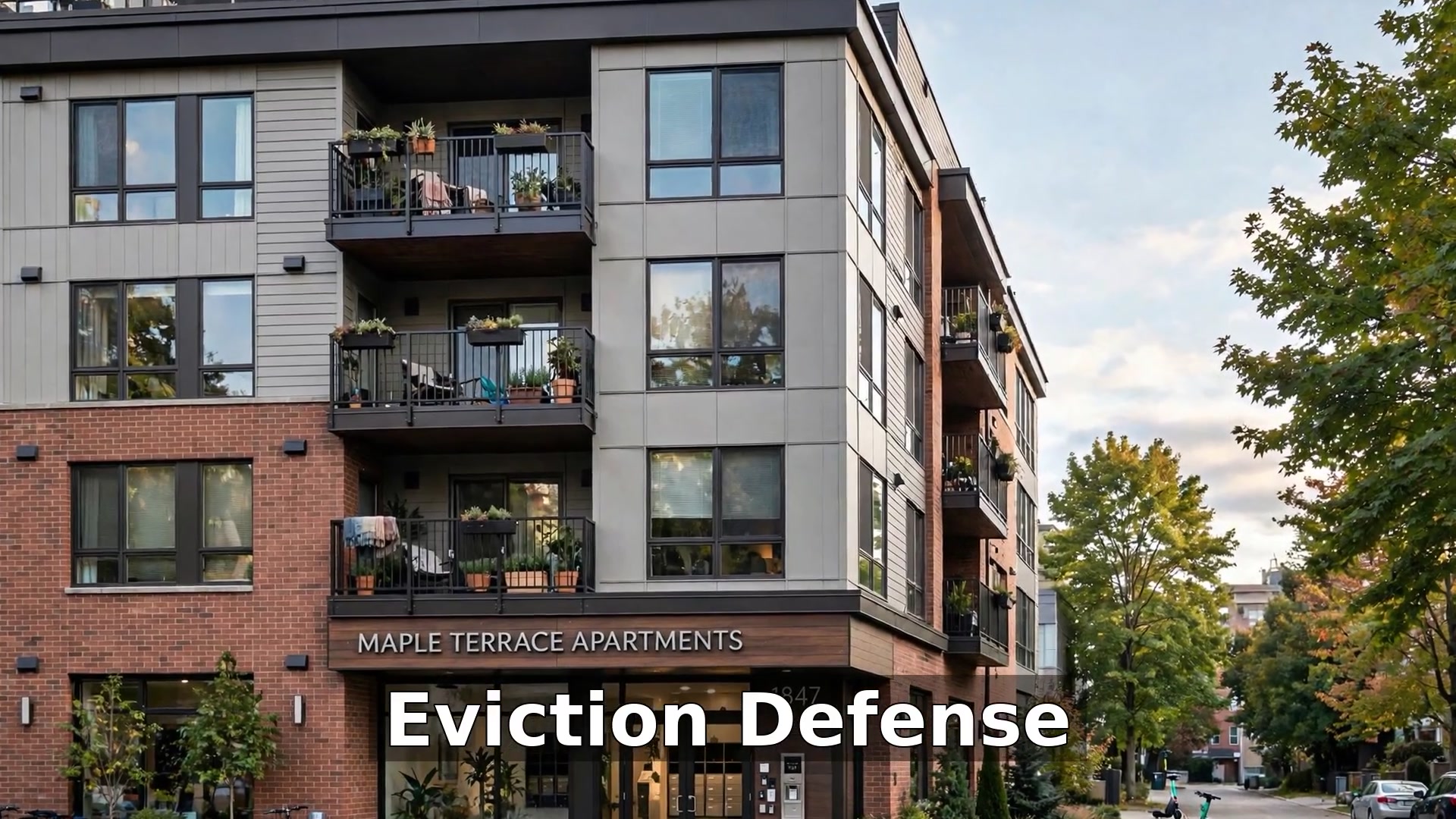
Landlord–Tenant Disputes, Explained
A rental home sits at the intersection of two legitimate interests: the tenant's interest in a safe, livable home, and the landlord's interest in rent paid on time and a property kept in good condition. Landlord disputes are the disagreements that grow out of that intersection, and in Arizona most of them are governed by a single statute, the Arizona Residential Landlord and Tenant Act, which sets out duties for both sides and the procedures for enforcing them.
The Most Common Sources of Conflict
Unpaid or late rent is the most frequent trigger, but repair and habitability problems run a close second. Tenants report issues such as failed air conditioning in summer heat, plumbing leaks, broken locks, pest infestations and appliances that stop working. Landlords, in turn, raise concerns about property damage beyond ordinary wear, unauthorized occupants or pets, noise, and violations of rules stated in the lease. Security deposits, lease renewals, rent increases and early move-outs round out the usual list.
Under the Arizona Act, a landlord's core obligations include complying with applicable building and housing codes, keeping electrical, plumbing, heating and air-conditioning systems in good working order, and maintaining a dwelling fit for habitation. A tenant's core obligations include paying rent as agreed, keeping the unit clean and safe, using systems and appliances properly, and allowing the landlord lawful access on proper notice. Many disputes are, at bottom, arguments about which side failed which of these duties first.
Notices: The Paper That Starts the Process
Arizona landlord-tenant law runs on written notices with specific deadlines. A notice for nonpayment of rent gives the tenant a short statutory window to pay or face an eviction filing. Notices for lease violations describe the breach and allow a period to cure it, while certain serious conduct allows immediate termination. On the other side, tenants use notices to report conditions affecting health and safety and to start the clock on the landlord's repair obligations. The content, timing and delivery method of these notices are frequently litigated, because a defective notice can undermine an otherwise valid case. A separate explainer in this series covers A.R.S. § 33-1368, the statute that organizes most termination notices, in detail.
Eviction Is a Court Process, Not a Lock Change
In Arizona, an eviction is a court action called a special detainer, usually filed in justice court. The landlord files a complaint, the tenant is served with a summons, and a hearing follows quickly — these cases move on a fast calendar. A judge decides whether the landlord is entitled to possession, and only a court judgment followed by a writ of restitution, executed by a constable or sheriff, can compel a tenant to leave. Changing locks, removing doors, or shutting off utilities to force a tenant out outside that process is prohibited, and tenants have statutory remedies when it happens.
Money and possession are related but distinct questions. A court can award possession to the landlord while also addressing unpaid rent, damages and court costs, and a tenant can raise defenses and counterclaims involving habitability, retaliation, or improper notice. Arizona law also prohibits retaliation: a landlord generally may not raise rent, reduce services, or pursue eviction because a tenant complained to a government agency, asserted rights under the Act, or joined a tenant organization within a protected period.
Security Deposits, Move-Outs and Damages
The end of a tenancy generates its own disputes — deductions for cleaning and repairs, disagreements about what counts as damage versus normal wear, and the timing of the refund and itemized statement. Arizona's deposit statute, A.R.S. § 33-1321, caps deposits, sets a deadline for the accounting after the tenancy ends, and provides multiplied damages for amounts wrongfully withheld; a companion explainer in this series covers deposit disputes on their own.
How Disputes Commonly End
Many landlord disputes settle without a trial — through payment agreements, repair schedules, negotiated move-out dates, or mediation, which some courts encourage in eviction calendars. When cases are decided, outcomes turn heavily on documentation: the signed lease, rent ledgers, dated photographs, written repair requests, and the notices themselves. Keeping the paper trail is, in practice, what separates a strong position from a weak one on both sides of the relationship. This article is general information about the structure of landlord-tenant disputes in Arizona, not advice for a specific tenancy.
General information only — not legal advice. This is a training and information video from Justice Lookup, an attorney directory — not a law firm. Watching this video does not create an attorney-client relationship. For advice about your own situation, consult a licensed attorney.