Immigration Law: How the U.S. System Is Organized
Immigration law governs who may enter the United States, who may remain, on what conditions, and who must leave. It is almost entirely federal law, built principally on the Immigration and Nationality Act of 1952, as amended many times since, together with its regulations and a large body of agency and court interpretation. For a layperson encountering the system for the first time, the sheer number of forms, agencies, and acronyms is often the first obstacle. Beneath the paperwork, however, the system is organized around a few recurring questions: Is the person an immigrant or a nonimmigrant? Are they admissible? Is a visa number available? And which agency decides?
Immigrants, Nonimmigrants, and Status
The law divides foreign nationals into two great classes. Immigrants intend to reside permanently and, if approved, become lawful permanent residents. Nonimmigrants enter for a specific, temporary purpose — tourism, study, temporary work, exchange programs, diplomacy — and most must maintain a foreign residence or otherwise satisfy an officer that their stay is temporary. Each nonimmigrant category is a letter-and-number classification with its own conditions: students must pursue a full course of study, temporary workers are tied to a petitioning employer, and visitors may not work at all. A visa, issued by a consulate, permits travel to a port of entry to request admission; the actual permission to stay is the status granted at admission and recorded on the Form I-94 arrival record. Visa validity and authorized stay are different things, a distinction that underlies many accidental overstays.
The Agencies and Their Roles
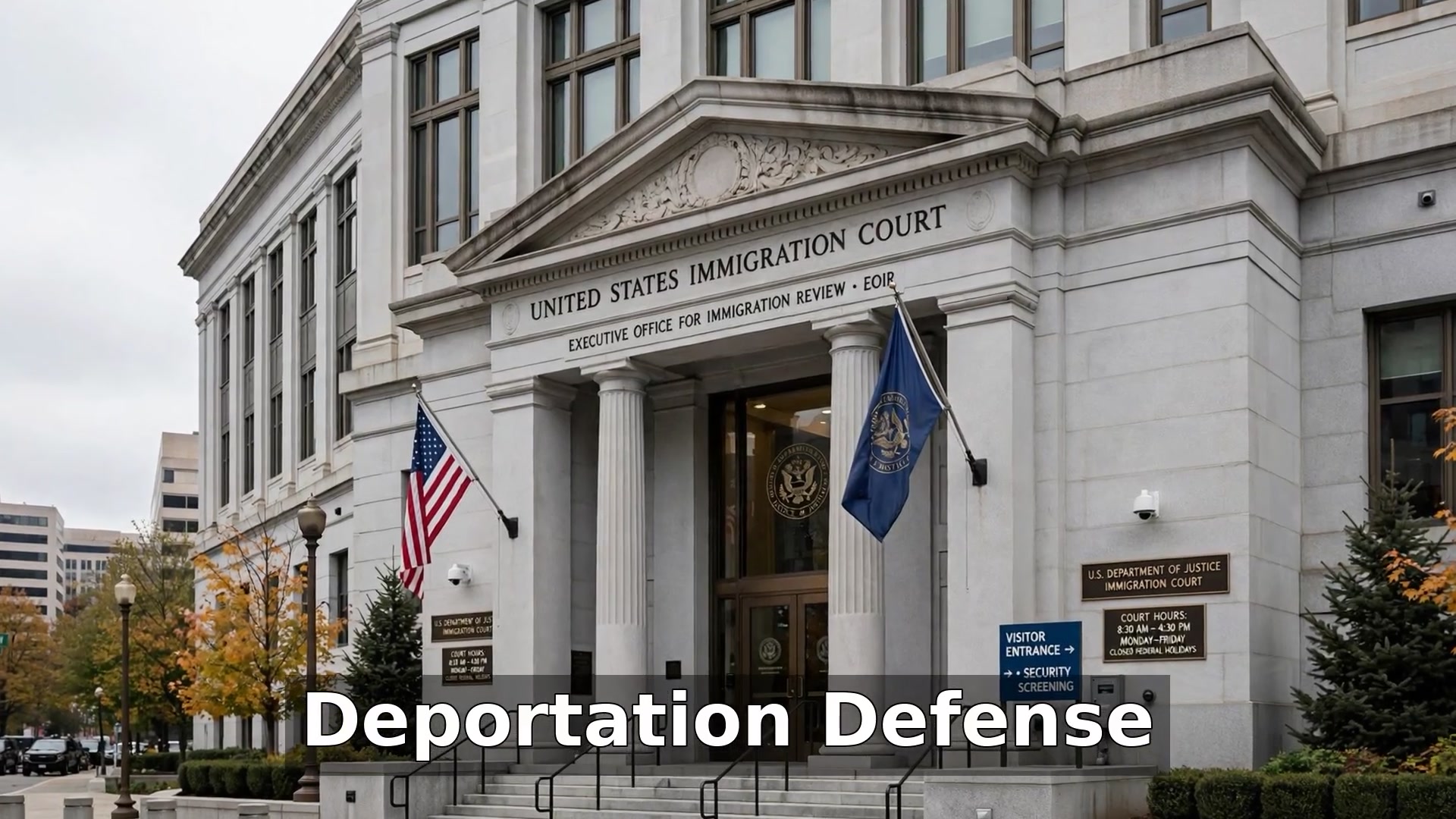
No single agency runs the system. U.S. Citizenship and Immigration Services adjudicates benefits — petitions, green cards, work permits, naturalization. The Department of State issues visas abroad through embassies and consulates and publishes the monthly Visa Bulletin tracking quota backlogs. Customs and Border Protection inspects arrivals at ports of entry and patrols the border between them. Immigration and Customs Enforcement handles interior enforcement, detention, and removal operations. Immigration courts, where deportation defense is litigated, belong to the Executive Office for Immigration Review in the Department of Justice, with appeals to the Board of Immigration Appeals. Federal courts review certain final decisions. A single life event — a marriage, a job offer, an arrest — can move a case between several of these bodies in sequence.
Admission, Admissibility, and Unlawful Presence
Admission is a legal term of art: it generally means entry after inspection and authorization by an officer. Admissibility is screened against the grounds in section 212 of the Act, which span health-related grounds, criminal grounds, security grounds, the likelihood of becoming a public charge, document and labor-certification requirements, prior unlawful presence and removal, fraud or misrepresentation, and false claims to citizenship. Unlawful presence is its own technical concept with its own clock: generally, a person who accrues more than 180 days but less than a year of unlawful presence and then departs can trigger a three-year bar to returning, while a year or more triggers a ten-year bar, with important exceptions for minors and several other groups. These bars explain why departures that seem routine — leaving for a consular interview, for example — can carry major legal consequences in some histories.
Quotas, Categories, and Waiting
Much of permanent immigration is rationed. The law sets worldwide levels for family-sponsored and employment-based immigrants, per-country ceilings, and category-by-category allocations, administered through preference systems and priority dates. When demand exceeds supply in a category, a line forms, and the Visa Bulletin announces which priority dates are current each month. Chargeability usually follows country of birth, not citizenship, with a cross-chargeability rule for spouses born in different countries. Layered on top of the quotas are the diversity lottery, refugee admissions set annually by presidential determination, and humanitarian statuses — asylum, Temporary Protected Status for designated countries, U and T visas for certain victims, and special immigrant juvenile findings — each with its own statutory design.
Enforcement, Relief, and Citizenship
The enforcement side of the system includes expedited removal at the border for certain arrivals without documents, reinstatement of prior removal orders, detention, and formal removal proceedings in immigration court, where relief such as cancellation of removal, waivers, asylum, and adjustment of status may be available depending on the facts. At the far end of the system stands naturalization, the process by which a permanent resident becomes a citizen, generally after five years of residence — three for qualifying spouses of citizens — with continuous residence, physical presence, good moral character, and English and civics requirements. Immigration law touches employment, family unity, business formation, education, and criminal defense all at once, which is why cases so often turn on the interaction between systems rather than on one form in isolation. This overview is general information about how the field is organized, not legal advice about any person's situation.
General information only — not legal advice. This is a training and information video from Justice Lookup, an attorney directory — not a law firm. Watching this video does not create an attorney-client relationship. For advice about your own situation, consult a licensed attorney.