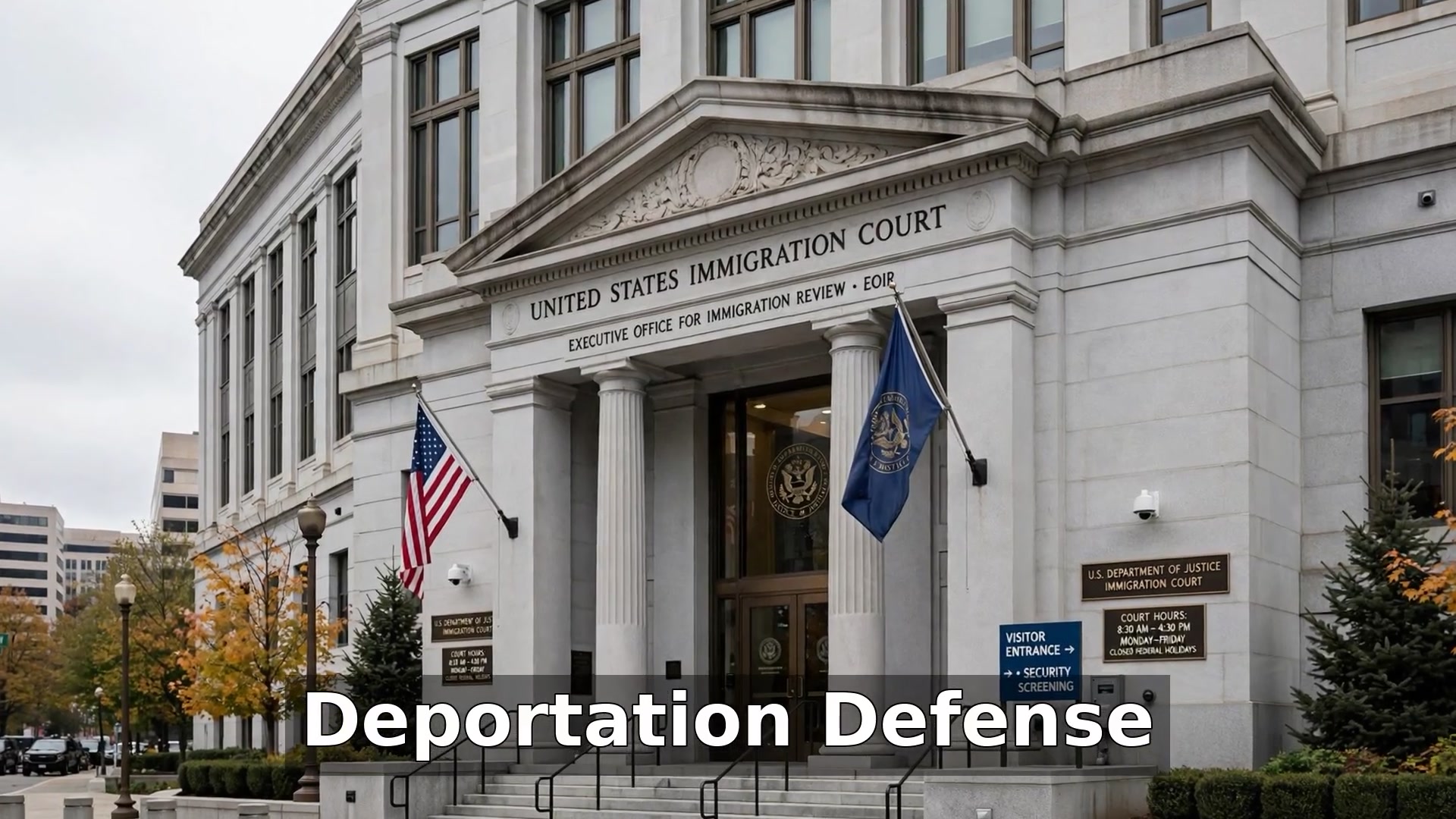
Deportation Defense: How Removal Cases Work
Deportation defense is the area of immigration practice concerned with removal proceedings — the formal court process in which the federal government asks an immigration judge to order a noncitizen removed from the United States. The modern statute generally uses the word removal rather than deportation, although the older term remains in everyday speech, in the name of this practice area, and in certain provisions that still apply to people who entered under earlier law. Cases are heard in immigration courts administered by the Executive Office for Immigration Review, which is part of the Department of Justice rather than the federal court system. That distinction shapes everything about the process, from the rules of evidence to the way appeals move forward.
How a Removal Case Begins
Most cases begin with a document called a Notice to Appear. It identifies the person, states factual allegations about citizenship, entry, and immigration status, and lists charges of removability under the Immigration and Nationality Act. The two broad families of charges are inadmissibility under section 212, generally applied to people seeking admission or who entered without inspection, and deportability under section 237, generally applied to people who were admitted and later became removable. Common deportability charges involve criminal convictions, overstaying or violating the terms of a status, document fraud, and certain conduct connected to marriage or smuggling allegations. The Notice to Appear also sets the first hearing date, although that information sometimes arrives in a separate notice.
The first appearances are usually master calendar hearings — short, organizational sessions at which the judge confirms identity and language, explains the right to representation at no expense to the government, addresses the charges, and schedules deadlines. Representation in immigration court is not provided by the government, which is one reason the role of a privately retained attorney is so central in these cases. Merits are decided later at individual hearings, which function more like trials, with testimony, exhibits, and legal argument focused on the particular form of relief being requested.
Detention and Bond
Some respondents are detained by Immigration and Customs Enforcement while proceedings are pending, and some are subject to mandatory detention rules tied to particular criminal histories. Others may request a bond redetermination hearing, at which an immigration judge considers flight risk and danger to the community and may set, lower, or deny bond. Bond is a recurring theme in deportation defense because detention affects a person's ability to gather documents, attend medical or legal appointments, and participate fully in preparing testimony. Release on bond does not end the case; the underlying removal proceedings continue on the non-detained docket, often over a considerably longer timeline.
Forms of Relief From Removal
A central concept in this field is relief — a statutory basis on which a judge, or sometimes U.S. Citizenship and Immigration Services, may allow a person to remain despite a sustained charge. Cancellation of removal is one example. For lawful permanent residents, it involves factors such as length of residence, continuous residence after admission, and the absence of certain aggravated felony convictions. For non-permanent residents, the statutory version is considerably stricter and generally involves ten years of continuous physical presence, good moral character, and a showing that removal would cause exceptional and extremely unusual hardship to a qualifying citizen or resident spouse, parent, or child. Congress also capped grants of that form of cancellation at a set annual number.
Other forms of relief follow different logics. Asylum and withholding of removal turn on persecution connected to protected grounds such as race, religion, nationality, political opinion, or membership in a particular social group, with withholding carrying a higher burden of proof and offering a narrower benefit. Protection under the Convention Against Torture addresses the likelihood of torture by or with the acquiescence of a government. Adjustment of status in proceedings allows some respondents with an approved immigrant petition and an available visa number to become permanent residents before the judge. Waivers can forgive certain grounds of inadmissibility or deportability when statutory conditions are met. Voluntary departure, by contrast, is not a right to remain; it is permission to leave at one's own expense within a set period, avoiding some of the formal consequences that attach to a removal order.
Evidence, Discretion, and Appeals
Many forms of relief have two layers: statutory eligibility and discretion. A person may meet every written element and still face a discretionary denial based on the overall balance of favorable and adverse factors in the record — criminal history, tax compliance, family ties, hardship, rehabilitation, and the seriousness of any immigration violations all appear in that analysis. Documentary evidence therefore matters a great deal: identity records, tax filings, medical and school records, declarations from family members, and country-condition materials for protection claims all become part of a hearing packet filed in advance under court deadlines.
Decisions of an immigration judge may be appealed to the Board of Immigration Appeals, generally within thirty days, and certain Board decisions may then be reviewed in the federal courts of appeals through a petition for review. Filing deadlines at each level are strict, and a removal order that becomes final carries serious re-entry bars — commonly ten years for a standard removal, with longer or permanent bars in aggravated felony and repeat-removal situations, subject to narrow consent-to-reapply mechanisms. Motions to reopen exist for defined circumstances such as changed country conditions or lack of proper notice, but they are limited in number and time. Deportation defense, in short, is less a single argument than a sequence of procedural stages, each with its own standard, deadline, and evidentiary record. This page provides general information about that landscape, not legal advice for any individual case.
General information only — not legal advice. This is a training and information video from Justice Lookup, an attorney directory — not a law firm. Watching this video does not create an attorney-client relationship. For advice about your own situation, consult a licensed attorney.