Citizenship Through Naturalization, Explained
For a lawful permanent resident, naturalization is the process of becoming a United States citizen — with the right to vote, to hold a U.S. passport, and to be free of the immigration rules that govern residents, including the risk of removal for certain offenses. It is a voluntary application, filed on Form N-400 with U.S. Citizenship and Immigration Services, and it is granted only when the applicant proves each statutory requirement. Citizenship can also be acquired automatically — at birth in the United States, from U.S. citizen parents, or by children when a parent naturalizes — but the N-400 process is the path most residents take.
The Core Eligibility Requirements
The standard path requires the applicant to be at least 18 years old and to have held a green card for five years — three years for a resident married to and living with a U.S. citizen spouse. Within that period, the applicant must show continuous residence, meaning the United States remained the applicant's actual home, and physical presence for at least half the required period: 30 months in the five-year track, or 18 months in the three-year track. Absences matter in defined ways. A trip abroad of six months or more can raise a presumption that continuous residence was broken, and an absence of a year or more generally breaks it outright, with limited exceptions such as certain employment abroad.
State and local ties are part of the test as well: the applicant must have lived for at least three months in the state or USCIS district where the application is filed, must be willing to support the Constitution, and must not fall within categories the statute disqualifies, such as certain subversive activities or, historically, desertion or draft evasion in wartime.
Good Moral Character
Naturalization requires good moral character during the statutory period — five or three years, depending on the track — and the concept is defined partly by list and partly by judgment. Certain conduct bars a finding of good moral character outright or for a period: a murder conviction is a permanent bar, other aggravated felony convictions after November 29, 1990 are as well, and offenses such as illegal gambling, habitual drunkenness, false testimony for immigration benefits, failure to pay court-ordered child support, or tax problems can all weigh against an applicant. Officers also examine the period as a whole, so arrests, citations and unpaid obligations that might seem minor in isolation can become central at the interview.
English, Civics and the Interview
Most applicants must demonstrate an understanding of English — reading, writing and speaking — and knowledge of U.S. history and government through a civics examination drawn from a published set of study questions. Long-standing exceptions soften these requirements: applicants above certain ages with long residence may take the civics test in their own language and face a smaller set of questions, and applicants with qualifying medical conditions may be exempted entirely through a medical certification. The naturalization interview itself combines the tests with a review of the N-400 under oath, travel history, tax compliance, Selective Service registration for men who lived in the United States between ages 18 and 26, and any changes since filing.
The Oath and Life After Approval
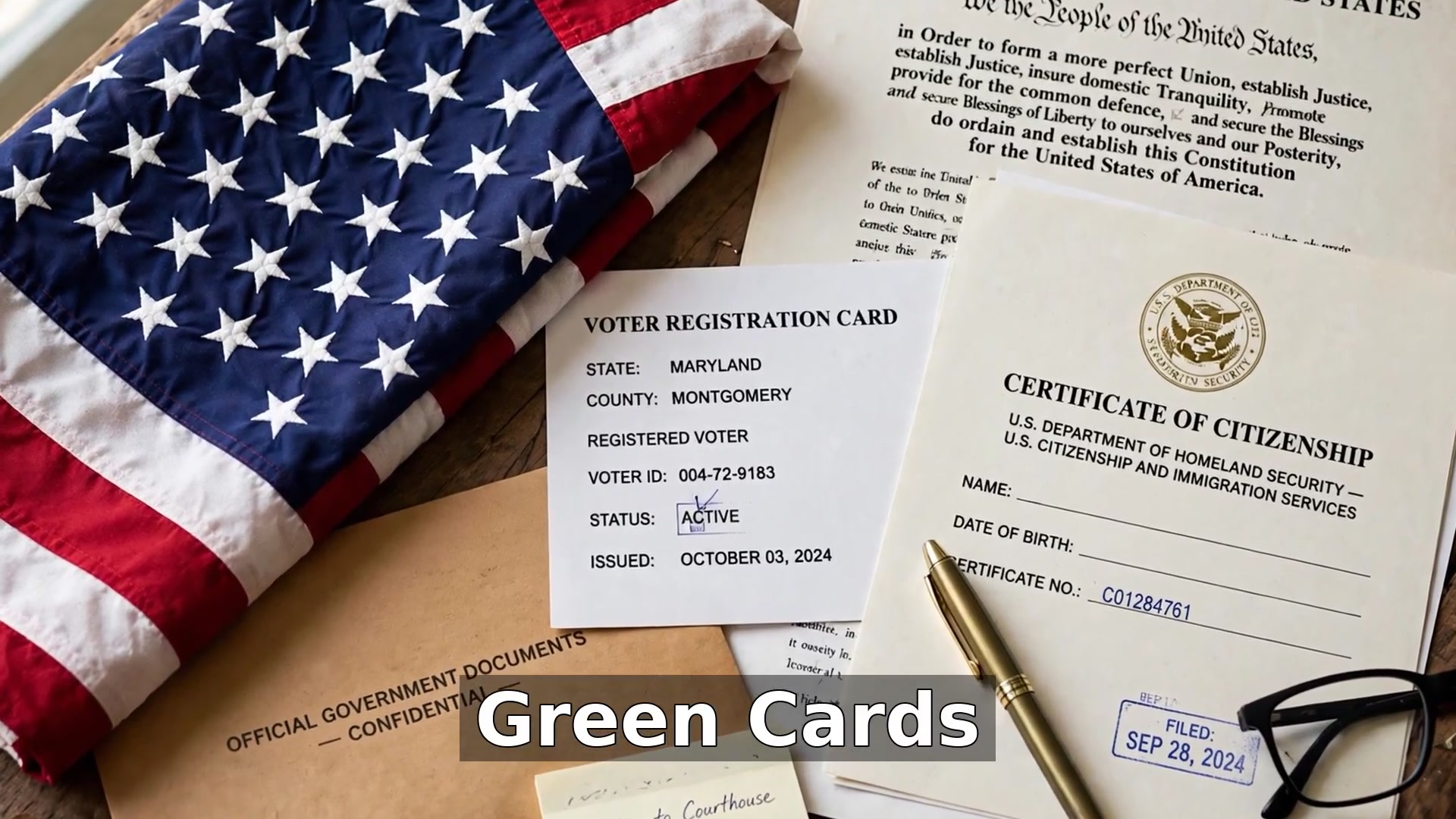
Approval is not the final step. Citizenship takes effect at the oath ceremony, where the applicant renounces prior allegiances, swears to support the Constitution, and receives a certificate of naturalization. Some applicants are sworn in the same day as the interview; others attend a scheduled ceremony, sometimes before a federal judge. From that moment, the new citizen's status is effectively permanent in a way residence is not — naturalization can be revoked only through a formal denaturalization process, generally for fraud or illegality in how it was obtained.
Denials most often trace back to the requirements above: broken continuous residence, insufficient physical presence, good moral character findings, failed tests, or abandonment of the application by missing appointments. A denied applicant may request a hearing on the denial, reapply when the obstacle has passed, or in some cases seek review in federal court after administrative remedies are exhausted. The structure is best understood as a checklist with a ceremony at the end — each element proved in sequence, then citizenship granted all at once. This article is general information about naturalization, not advice about an individual application.
General information only — not legal advice. This is a training and information video from Justice Lookup, an attorney directory — not a law firm. Watching this video does not create an attorney-client relationship. For advice about your own situation, consult a licensed attorney.