Asylum, Explained
Asylum is a form of protection the United States offers to people who have been persecuted, or who have a well-founded fear of persecution, in their home country. It is rooted in the Immigration and Nationality Act and in international refugee law adopted after the Second World War. A person granted asylum — an asylee — may remain in the United States, obtain work authorization, and eventually apply for a green card. The concept is narrow by design: it protects against persecution on specific grounds, not against hardship, poverty, or generalized violence alone.
The Five Protected Grounds
Persecution must be on account of one of five grounds listed in the statute: race, religion, nationality, membership in a particular social group, or political opinion. The applicant's experience must connect to at least one of them. Harm motivated by a protected ground — for example, targeting because of religious practice, ethnic identity, or expressed political views — sits at the center of the definition. The phrase “particular social group” is the most litigated of the five, covering groups defined by a shared, immutable characteristic; claims involving family membership, or groups targeted by gangs or by domestic violence, have moved through years of shifting agency and court interpretations.
Persecution itself means serious harm — threats to life or freedom, detention, physical violence, severe discrimination or economic deprivation of a grave kind — inflicted by the government or by actors the government is unable or unwilling to control. An applicant must also show the home government cannot or will not provide protection, and in many analyses, that relocation to another part of the home country would not be safe or reasonable.
The One-Year Filing Deadline
An asylum application, Form I-589, generally must be filed within one year of the applicant's last arrival in the United States. Missing the deadline does not end the inquiry, but it narrows it: late filing is excused only for changed circumstances that materially affect eligibility, or extraordinary circumstances related to the delay, and the application must then be filed within a reasonable period. The one-year rule is one of the most consequential technical features of asylum law, and dates of entry frequently become central evidence in the case.
Two Doors: Affirmative and Defensive Asylum
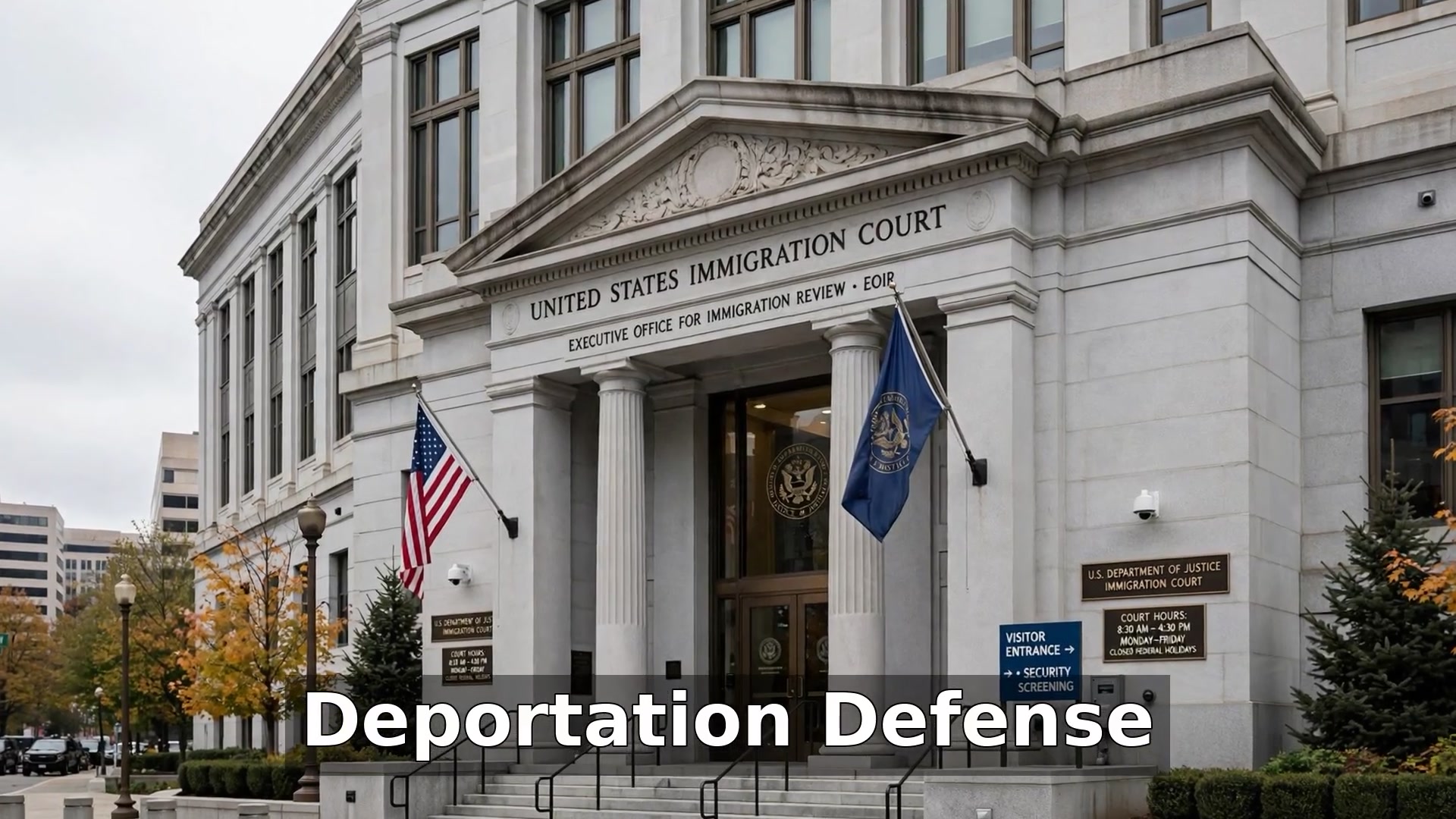
People who are not in removal proceedings file affirmatively with U.S. Citizenship and Immigration Services and are interviewed by an asylum officer in a non-adversarial setting. If the officer does not grant the case and the applicant has no other lawful status, the case is typically referred to immigration court. People already in removal proceedings file defensively, presenting asylum as a defense to removal before an immigration judge, with a government attorney on the other side. At the border and in expedited removal, a related screening called a credible fear interview determines whether a person expressing fear of return gets the chance to pursue the claim before a judge.
Credibility is often decisive. Judges and officers weigh consistency of testimony, detail, plausibility, and supporting evidence such as medical or police records and country-condition reports describing how people in the applicant's situation are treated at home. Applicants may also pursue related but distinct protections: withholding of removal, which requires showing persecution is more likely than not and offers no path to a green card, and protection under the Convention Against Torture, for those who can show they would more likely than not be tortured with government involvement or acquiescence.
Outcomes and What Follows
A grant of asylum allows the person to live and work in the United States, to petition for a spouse and unmarried children under 21 to join or remain, and to apply for permanent residence after one year in asylee status. Denied applicants in court proceedings may be ordered removed, subject to appeal to the Board of Immigration Appeals and, in some circumstances, petition for review in federal court. Asylum sits within a larger protection landscape that includes refugee admissions processed abroad, temporary protected status for designated countries, and humanitarian parole — each with different standards and different futures. This article is general information about how asylum is structured, not advice about any individual claim.
General information only — not legal advice. This is a training and information video from Justice Lookup, an attorney directory — not a law firm. Watching this video does not create an attorney-client relationship. For advice about your own situation, consult a licensed attorney.